Access vs Ownership

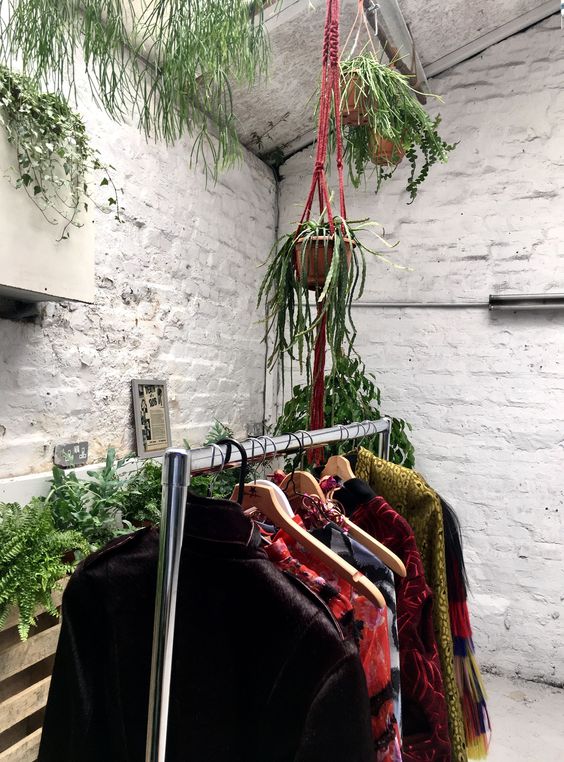
With people continuing to want the latest trends, newest products and biggest brand names as soon as possible, and dropping them just as quickly, the idea of rental clothing has been predicted to overtake the fast fashion industry within 10 years. But how does renting a product compete with ownership?

While rental fashion seems like the answer to all our fast fashion problems – overproduction, waste, impulse buys and unethical practises, to name a few – I can’t help but wonder how many people will sacrifice the gratification of actually owning that coveted designer piece they worked hard to buy. This is not to say I don’t think rental clothing isn’t a good idea. If it works it would be a revolutionary way of changing our shopping habits and ending the fast fashion cycle we seem to be stuck in. But how will it work?
bdd21174dd84c66e8d2da8798a262fb6

In my opinion I think rental fashion works best with wear-once clothing, such as designer dresses and suits for special occasions. I also think it would work very well with accessories, such as statement necklaces and other expensive jewellery for formal events. On the other hand I don’t think rental fashion would work well high-street clothing, as people can easily buy the latest thing and not have to worry about returning the item or what to do if it gets damaged in day-to-day life. That being said, I think there is potential for rental children’s clothes as a lot of the time parents buy their child clothing only for them to grow out of it within the coming months. Rather than buy their child an expensive jacket or shoes for a one-time event, they could rent the outfit and return it – no money wasted on a product that will become useless in a few months time.

I believe that if rental fashion became more suitable for high-street and everyday clothing it could really break the fast-fashion cycle, but this is unlikely as high-street clothing is susceptible to wear and tear, and most people have staple items in their wardrobe they wear very often, like their go-to jeans and their work wear. If people bought less clothes, but clothes of a higher-quality that last longer, they could look into renting outfits that wouldn’t be so easily damaged – and if they are, they would be worth fixing, unlike high street clothes which are often thrown out and replaced when they become torn or stained.

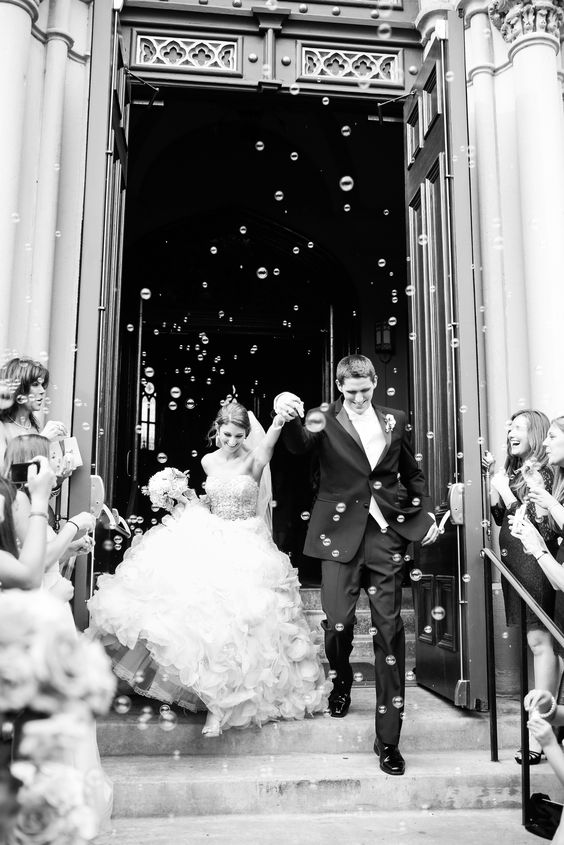
Clothing often has sentimental value, such as wedding dresses which are available to rent but also buy. I think many people would want to hold onto such an important dress, either to pass it down to their daughter or keep for the memories. It is for these reasons I disagree that rental will overtake the fast fashion industry within the next 10 years – I just don’t think that wear-once clothing will fit into everyday wardrobes, and people will be reluctant to give up ownership of brand names or sentimental pieces.
8c54b266cd413339f5d93abf331cb70f


Ethical Fashion

64f9441dec5a7f288c8e20771cd7fbdd

The Victoria & Albert Museum defines ethical fashion as “an umbrella term used to describe ethical fashion design, production, retail, and purchasing. It covers a range of issues such as working conditions, exploitation, fair trade, sustainable production, the environment, and animal welfare.”  More is being done to improve the standards of the fashion industry, with an increasing number of designers choosing to use faux-fur over real fur in their collections, as seen by Gucci as of their Spring 2018 collection, and with Chanel announcing today that they are going to stop using exotic animal skins and fur after the house stated that it was struggling to source those which met their ethical and quality standards, WWD reports. Harper’s Bazaar reported that while “Chanel will no longer use fur and exotic animal skins in future collections, it may take some time for products that include them to work their way out of boutique distribution.” The house has joined the growing list of fashion brands that are adopting a fur-free policy, including Versace, Michael Kors, Ralph Lauren, Armani, Stella McCartney and Vivienne Westwood.

So while more is being done by the fashion houses, what can we do as consumers to shop ethically?

“The UK alone throws away 1 million tonnes of clothing every year.” – Waste Online

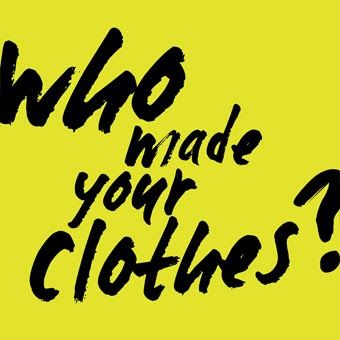
With fast fashion remaining the principal way we consume clothing and accessories it is harming our environment and we need to take action to change our shopping habits. We all fall victim to a Primark bargain every now and then but next time stop to think about who made that item of clothing? Were they paid enough for it? What were their working conditions like? And seriously reconsider whether you even need the item or not. I don’t know about you but so many times I’ve bought something because it was on sale or it was an impulse buy – because “why not?”- and I’ve never worn it. It is essential that this attitude to fashion and clothes changes soon. We need to be buying less from fast-fashion, high street brands and exploring new options. I am a big fan of thrift and charity shops because you never know what you might find. Sure its not the most practical way of shopping for specific items but its so much more fun! I love going through the rails of clothing, keeping an eye out for a real gem.

Another option for those of you with more money to spend is vintage. Some people don’t like the idea of wearing a dead persons coat but I like to think of the history of each piece, who wore them and what they did. Each item has so many stories and the clothes can be so beautiful. Personally I don’t recommend head-to-toe vintage if you want to stay on trend, but mixing vintage pieces with your current wardrobe can give you so many possibilities. Plus, you know no one else will be wearing the same thing as you.

If you’re like me, you’ll probably go through fazes where you hate every thing in your wardrobe and just want to throw it all out and start again. This is when I get creative. If you’re tired of your current clothes and can use a sewing machine, I recommend up cycling. Reinventing your clothes can make such a difference in your wardrobe, even if it’s just cutting jeans into shorts. You get a new item of clothing and you don’t have to spend any money! Another place to look for ethical clothes is independent boutiques, whether high street shops or online. Personally I love ASOS marketplace because it is full of vintage and new independent brands, most of which practise ethical production methods.

All of these options help improve how you shop, by making the most of what you have and by buying from sustainable sources. Not to mention your wardrobe will become more unique and have more personality than simply buying whatever’s on trend. You’ll be helping the environment and looking good doing it.

Sources:

Vam.ac.uk. (2018). Ethical Fashion – Victoria and Albert Museum. [online] Available at: http://www.vam.ac.uk/content/articles/w/what-is-ethical-fashion/ [Accessed 4 Dec. 2018].

de Klerk, A. (2018). Chanel to stop using exotic animal skins and fur. [online] Harper’s BAZAAR. Available at: https://www.harpersbazaar.com/uk/fashion/fashion-news/a25395318/chanel-ban-exotic-animal-skins/ [Accessed 4 Dec. 2018].

Generations

69661bd1f1f90a40af0224336a9aae00

Watching Simon Sinek’s talk has reaffirmed my previously held opinion that social media addiction is a real thing, especially as he compared it to drug and alcohol addictions. I hadn’t really thought too much about the science behind why we are obsessed with our phones, however having it explained to me has made it clear why people are always checking and posting social media and why it feels so good when we do. I agree with Sinek that it mainly affected Millennials and my generation, but I also disagree with the idea of defining generations as a concept. One of his main points in his talk was that as a generation we are becoming more isolated, depressed and spending less quality time with people in real life, replacing normal social interaction with online substitutes. And I don’t think defining different generations helps this problem. When we separate our children and parents and grandparents into different categories, it just puts emphasis on our differences and makes us alienated from each other. The generalisation of groups of people dependant on age allows for blame to be pushed onto another group of people: how many articles have been written about something Millennial have “ruined’ or businesses they’ve “killed”? If we didn’t have separate generations, this blame would have to fall elsewhere – the real reasons people aren’t buying houses, or shopping at certain stores.

Thinking about the future of my generation, I am concerned about the hurdles we face but I am also optimistic we will overcome them. I’ve noticed that my generation is actually sitting up and listening to the world problems, taking them on and finding solutions. I’m seeing social media platforms being used for good, spreading important messages about social equality and the environment. More young people are getting involved with politics. The progress is slow, but it is progress all the same.

Just today I read an article on the BBC website about students in Australian schools holding a mass protest, asking for “greater action on climate change”, after the UN announcing this week that Australia and many nations weren’t achieving their emission commitments, and that Australia had made “no improvement” in it’s climate change policy since last year.

Screen Shot 2018-11-30 at 11.49.46

“I think social media is a big part of it. You’re constantly seeing these issues happening around the world and seeing other students stick up for things you believe in,” – Ruby Walker, 16, organised a protest in her town of Inverell, north of Sydney, after seeing others’ plans on Facebook.

This is one way the social media is aiding change and encouraging young people to take action. With the constant stream of negative news reports it is difficult to ignore important world problems, especially when they are right in front of you most hours of the day. It’s difficult to scroll through social media without seeing another current issue or act of hate. And while this exposure is encouraging some young people take action, it is harming others.

Seeing young people step up and demand change is both uplifting and saddening to me. I want to know why it is up to us, the youngest generation, to protest and call for action on problems that affect the whole world. This only adds to my idea that generations shouldn’t be labeled, as we should be working together with people of all ages to improve our society, for the future of the planet and our children.

My Consumer Tribe

As a fashion consumer, I try to shop as ethically as possible but this can sometimes be a challenge on a lower budget so I occasionally buy pieces from high street shops such as Topshop and Urban Outfitters. I am trying to cut down on the amount of mass produced items of clothing I buy, not only because they are unethically made but also because buying clothes from vintage and independent shops allows me to be more creative with my style. I also love vintage style clothing and if I could afford it, I would buy so much.

When looking for vintage and unique clothing, I generally visit thrift shops and independent boutiques, or if I’m shopping online I look at ASOS Marketplace as they have an extensive range of independent sellers and emerging brands. I also look at online vintage sites such as Beyond Retro and Rokit Vintage. I’ve recently got involved with the app Depop as well, which is a mobile marketplace where people can sell and buy clothes to other members. Moving to Cardiff has meant I have more physical vintage shops to visit, which I prefer to shop at as you can look at the clothes properly and try things on.

I typically buy new clothes at least once a month, depending on how much money I have spent on other purchases and if I’m looking for a particular item or not. Generally I will pay up to £40 for an item of clothing, more if its a coat or an investment piece, but I don’t like to spend too much money on one item.

Currently I really like 70’s bohemian style pieces, but also 90’s vintage and leopard print. In terms of clothing types I’ve been liking slip dresses and turtleneck jumpers, as well as flared trousers and mom jeans. I also recently bought a vintage denim jacket at a kilo sale which I am obsessed with. I always wear lots of jewellery, particularly rings and oversize earrings and I like buying unique pieces of jewellery to add to an outfit.  I would say my style tribe is boho chic/vintage because I love 1970’s fashion, especially the festival and glamour side of the decade.

Blog Review – Cartia Mallan

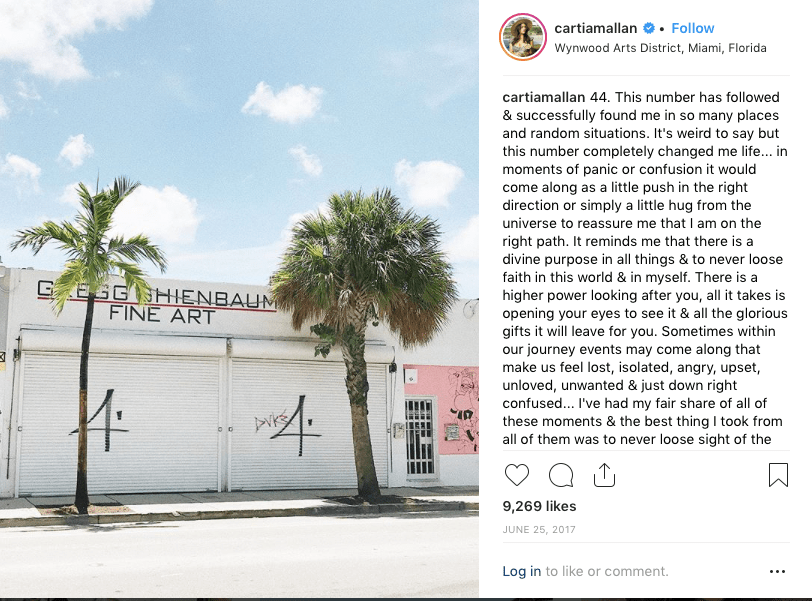
Screen Shot 2018-11-16 at 11.36.24

Cartia Mallan is an Australian blogger who’s main social presence is on Instagram and Youtube. Her main focus is on fashion, beauty, and promoting self-love and body positivity. Her posts are always accompanied with beautiful images or inspiring quotes and I like her positive attitude.  I love her style and find inspiration from her outfits all the time, especially as she is influenced by vintage fashion and buys a lot of her clothes from vintage stores. She has also designed a clothing collection for Australian fashion brand Princess Polly.


What I like about Cartia is her mind set and inspiring writing. She often writes about mental health and is open about her struggles with her weight and anxiety. She is also a very spiritual person and sometimes writes about her journey with spirituality. I like that het style is unpredictable and she is always creating new looks and experimenting with her outfits. The fact she buys a lot of her clothes from vintage and second-hand stores is also promoting an ethical way to shop, and means her looks are unique and don’t follow current fashion trends.

What Cartia could do better is being more involved in promoting ethical fashion. While she does shop in vintage and second-hand stores, she also wears a lot of clothes from fast-fashion brands and her collection with Princess Polly is not explicitly ethical. More could be done on her part to spread the message of the importance of ethical shopping and her influence could encourage more people to change the way they shop.

I like her images as they are a reflection of her personal style and every photo fits her overall aesthetic – with vintage influences and off-beat style. Her images are often romantic, with flowers and soft-lighting featuring regularly. I would say the main focus of her images are her outfits, with posts detailing what she did that day. Her posts vary in length, from short captions consisting of a couple of sentences, to detailed paragraphs. She sometimes shares her own poetry and other creative writing, but her main writing focus is centred around self-care and personal growth.

Screen Shot 2018-11-16 at 11.46.52

About Me

A bit about myself…

I love vintage clothing and taking inspiration from old films and photographs. I’ve lost count of the number of books I’ve read about fashion and the history surrounding it. When it comes to my personal style I try to express myself through my clothes and accessories; I love to experiment with new ideas and wear one-of-a-kind items, which is why I like vintage clothes – each item is unique and holds a story of its own. My vintage obsession doesn’t stop at clothes however, and I’m also interested in music and films either from the 70’s, 80’s and 90’s, or inspired by those decades.

My style icons include the model Suki Waterhouse, and Australian IT girl Cartia Mallan. My favourite artists are Frida Kahlo and Gustav Klimt

I try to buy most of my clothes from second-hand shops or vintage boutiques as this is a more ethical way to shop, but I also love highstreet stores like Topshop and Urban Outfitters.

When I was younger I wanted to be a fashion designer and would spend hours drawing hundreds of outfits I wished I could bring to life. I love to draw and paint, not just designs but people and faces. Photography is another one of my interests, and I like to take photos of new places I visit. I studied fashion design for two years at Shrewsbury College, where I learned how to make my designs a reality. Even though I no longer study design, I still love sewing and creating my own clothes.

Finally I like reading books and magazines, watching films, listening to music, and being creative in any way I can.